
 See Our Latest Article on HelloNation
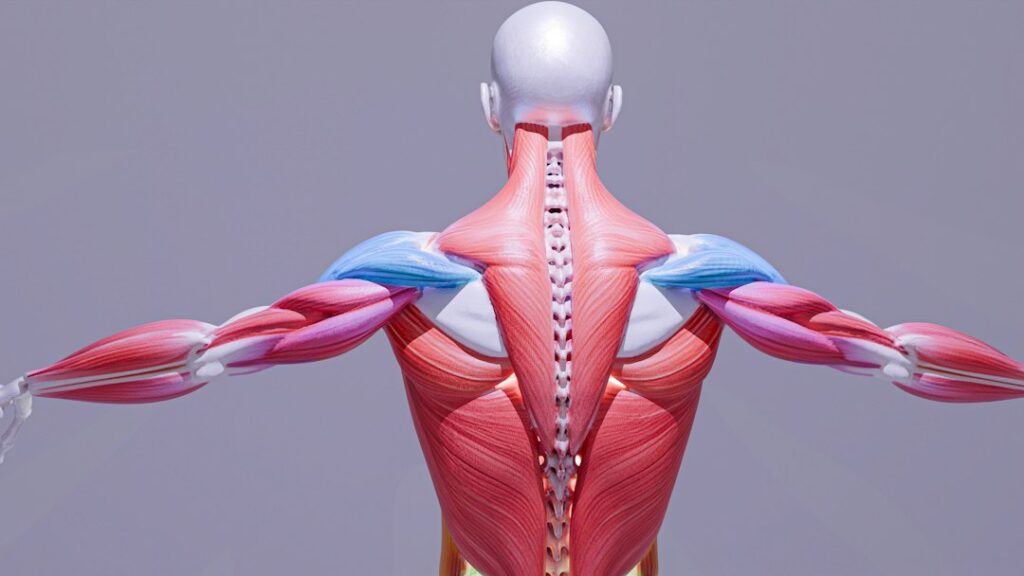
Chiropractic care and massage therapy can both involve hands-on treatment for pain, stiffness, and movement problems, but they are not the same service. Chiropractic care generally focuses on the spine, joints, nervous system, and movement mechanics, while massage therapy primarily works with muscles and other soft tissues.
For residents of Pelham, NY, the more useful question is not which approach is universally better. It is which type of care best matches the source of the discomfort, the person’s health history, and the goals of treatment.
What is the main difference between chiropractic care and massage therapy?
The clearest difference is what each approach is designed to address.
Chiropractic care commonly includes an evaluation of the spine and joints, followed by treatment such as spinal manipulation, mobilization, exercise guidance, or other manual techniques. The goal may be to improve joint movement, reduce pain, and support physical function.
Massage therapy uses pressure, kneading, stretching, or gliding movements on muscles and soft tissues. Treatment may aim to reduce muscle tension, promote relaxation, improve short-term comfort, or support recovery after physical strain.
The two approaches can overlap. Some chiropractic offices use massage techniques, and some massage therapists work on areas near the spine. However, massage does not replace an assessment of joint or nerve problems, and chiropractic treatment is not simply a deeper form of massage.
How does a chiropractic visit usually differ from a massage session?
A chiropractic visit often begins with questions about symptoms, medical history, movement limitations, injuries, and daily activities. The practitioner may assess posture, range of motion, reflexes, muscle strength, or joint movement. Treatment can include manual adjustment, mobilization, stretching, or recommendations for exercises and activity changes.
A massage session usually begins with a discussion of the person’s discomfort, pressure preferences, health conditions, and treatment goals. The work then focuses on selected muscles or soft-tissue areas. A session may involve the back, neck, shoulders, hips, legs, or other regions depending on the concern.
Massage therapy is often organized around muscle tension and comfort. Chiropractic care tends to include more attention to joint mechanics, spinal movement, and whether symptoms suggest a condition requiring a different type of medical evaluation.
Which option may be more appropriate for back or neck pain?
Either approach may be reasonable for certain types of uncomplicated back or neck pain, but neither is appropriate for every cause.
Chiropractic treatment may be considered when symptoms appear related to restricted joint movement, mechanical back pain, or certain types of neck stiffness. Research suggests spinal manipulation can provide modest improvements for some people with acute or chronic low-back pain and may help some people with neck pain.
Massage may be useful when symptoms are strongly associated with muscle tightness, prolonged sitting, stress, physical exertion, or repetitive activity. It may provide short-term relief for some neck, shoulder, and low-back complaints.
Pain after shoveling, lifting, gardening, moving household items, or spending long hours at a desk may involve both muscle irritation and joint stiffness. In those situations, the distinction is not always obvious. A careful history and physical assessment can help determine whether the problem seems primarily muscular, joint-related, nerve-related, or something that warrants medical care.
Does chiropractic care involve massage?
Sometimes, but massage is not the central feature of chiropractic treatment.
A chiropractor may use soft-tissue work to prepare an area for movement, reduce muscle guarding, or complement joint treatment. Chiropractic care may also include mobilization, stretching, strengthening exercises, posture education, and advice about activity.
The term “adjustment” usually refers to a controlled force applied to a joint, often in the spine. This is different from massage, which applies pressure and movement to muscles and other soft tissues.
Not every chiropractic visit includes an adjustment, and not every person is a candidate for spinal manipulation. The treatment approach should be based on the individual’s symptoms, health history, and preferences.
What are the safety differences?
Both approaches are generally considered low risk when used appropriately, but each has precautions.
Massage may cause temporary soreness, tenderness, bruising, or fatigue. Deep or forceful massage may not be suitable for people with certain bleeding disorders, fragile skin, recent injuries, blood-clot concerns, or those taking blood-thinning medication. Massage over an open wound, infection, or significantly inflamed area should be avoided.
Spinal manipulation may also cause temporary soreness, stiffness, headache, or increased discomfort. Serious complications are rare, but neck manipulation deserves particular caution because rare vascular or neurological problems have been reported. People should share information about osteoporosis, recent trauma, numbness, weakness, blood-clotting conditions, cancer, inflammatory disease, and medications before treatment.
A person should not use either approach to postpone evaluation of potentially serious symptoms.
When should someone seek medical evaluation first?
Back or neck discomfort should be evaluated promptly when it follows a significant fall, collision, or other trauma. Medical assessment is also important for symptoms such as:

- New or worsening weakness in an arm or leg
- Loss of bladder or bowel control
- Numbness around the groin or inner thighs
- Fever, unexplained weight loss, or severe illness
- Pain that is constant, progressively worsening, or unexplained
- Severe headache, dizziness, trouble speaking, or vision changes
- Chest pain, shortness of breath, or pain spreading into the jaw or arm
These symptoms may indicate a condition that requires medical diagnosis rather than routine hands-on care.
Can chiropractic care and massage therapy be used together?
They can sometimes be part of the same overall plan, but combined care should have a clear purpose.
For example, massage may help reduce muscle guarding while exercise and joint-focused treatment address movement limitations. In another case, massage may be enough for temporary muscle tension, while a person with persistent symptoms may need evaluation by a physician, physical therapist, or other licensed health professional.
Using multiple treatments does not automatically improve results. It is more useful to identify the suspected cause of the problem, set realistic goals, and monitor whether function is improving. Helpful goals might include walking comfortably, turning the head more easily, sleeping better, returning to household tasks, or tolerating a workday with fewer symptoms.
How can local routines affect the choice?
Daily habits often matter more than the label of the treatment. Seasonal cold can lead some people to move less, tense their shoulders, or spend more time indoors. Snow and ice can also increase the risk of slips, sudden bracing movements, and lifting-related strains. Long commutes, desk work, household maintenance, and carrying children or groceries may contribute to recurring neck, shoulder, or low-back discomfort.
Massage may be a better fit when the main issue is muscle tightness and relaxation. Chiropractic evaluation may be more relevant when restricted joint motion or recurring mechanical pain is the main concern. Exercise, gradual activity, sleep, ergonomic changes, and medical evaluation when needed remain important parts of managing musculoskeletal symptoms.
The most appropriate choice depends on the pattern of pain, how long it has lasted, what makes it better or worse, and whether warning signs are present.
