
 See Our Latest Article on HelloNation
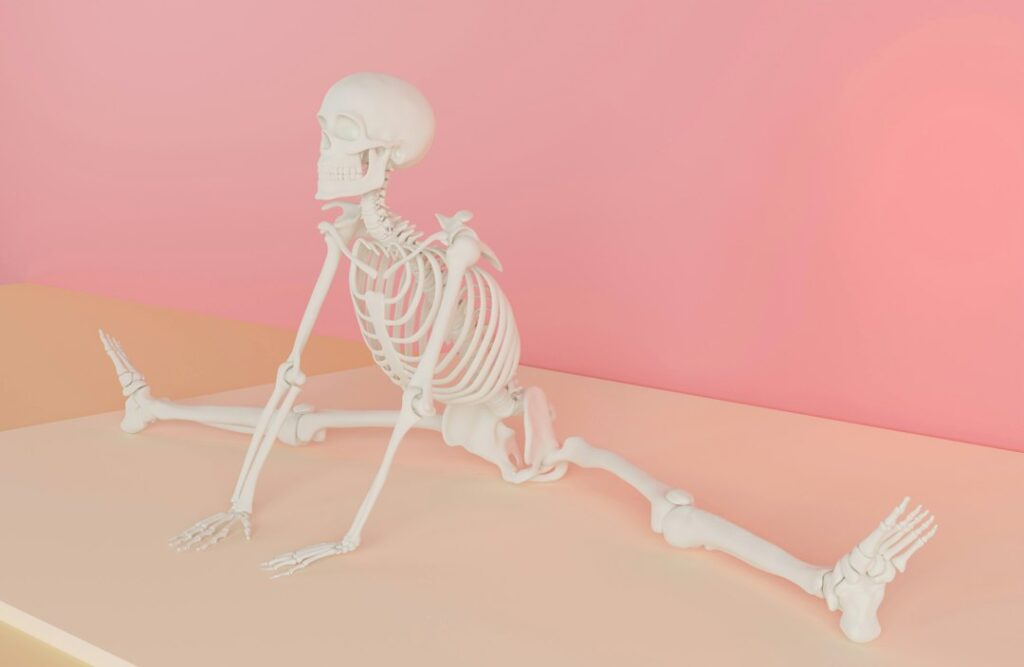
The spine does far more than hold the body upright. It helps protect the spinal cord, supports movement, connects the upper and lower body, and provides a stable base for nearly every physical activity. When spinal health is affected, the consequences can reach beyond back pain and influence sleep, work, exercise, mood, and independence.
For residents of Pelham, NY, understanding the connection between spinal health and quality of life can make it easier to recognize early warning signs and build practical habits that support comfortable movement.
What does the spine do for the body?
The spine is a column of bones, joints, discs, muscles, ligaments, and nerves. Its main jobs include:
- Supporting the head, neck, and torso
- Protecting the spinal cord
- Allowing bending, turning, reaching, and walking
- Helping transfer force between the upper and lower body
- Maintaining balance and posture
- Providing attachment points for muscles and connective tissue
The spine is designed to move, not remain rigid. Healthy spinal function depends on a balance between mobility, strength, coordination, and recovery.
A problem in one region can affect another. For example, limited movement in the upper back may cause the neck or shoulders to work harder. Weakness around the hips and trunk may increase strain on the lower back during lifting, walking, or climbing stairs.
How can spinal health affect quality of life?
Spinal health can influence routine activities that may not initially seem related to the back. Pain, stiffness, or reduced mobility may make it harder to sit through a workday, sleep comfortably, carry groceries, care for children, exercise, or participate in social activities.
Some effects are physical:
- Reduced range of motion
- Muscle tightness or weakness
- Changes in walking or lifting patterns
- Headaches associated with neck tension
- Difficulty maintaining comfortable posture
- Increased sensitivity after long periods of sitting or standing
Other effects are less visible. Persistent discomfort can lead people to avoid movement, which may reduce strength and confidence over time. Poor sleep can make pain feel more intense and may contribute to irritability, fatigue, or difficulty concentrating.
This does not mean every ache signals a serious spinal disorder. Many episodes of back or neck discomfort improve with time and appropriate self-care. The effect on daily function, however, is a useful measure of how much attention the problem deserves.
Why does posture matter?
Posture does not need to be perfectly straight to be healthy. The body can tolerate many positions, but staying in one position for too long may increase discomfort and fatigue.
Long periods of computer work, studying, driving, phone use, or household tasks can place the neck and back under sustained load. In homes and apartments where space is limited, workstations may also be improvised at dining tables, sofas, or counters that are not suited for extended sitting.
Helpful adjustments include:
- Changing position regularly rather than trying to hold one “perfect” posture
- Keeping frequently used items within easy reach
- Supporting the feet when sitting
- Positioning screens near eye level
- Taking brief walking or stretching breaks during prolonged sitting
- Alternating tasks that require bending, reaching, standing, or carrying
Movement breaks do not need to be long to be useful. A few minutes of walking, gentle mobility exercises, or relaxed shoulder movements can reduce the effects of staying still.
Can spinal health influence sleep?

Yes. Neck and back discomfort can make it difficult to fall asleep, stay asleep, or find a comfortable position. Poor sleep may then increase sensitivity to pain and reduce the body’s ability to recover from normal daily demands.
A supportive sleep position is one that allows relaxed breathing and does not create persistent pressure or twisting. Some people are more comfortable on their side with support between the knees, while others prefer lying on their back with support under the knees. Stomach sleeping may increase neck rotation for some individuals, although comfort and individual anatomy vary.
A mattress or pillow cannot correct every spinal problem. However, bedding that is too soft, too firm, or poorly matched to a person’s sleeping position may contribute to morning stiffness. Repeatedly waking with significant pain, numbness, or weakness deserves medical evaluation rather than simply changing pillows.
How do seasonal conditions affect back and neck comfort?
Cold weather does not directly cause most spinal conditions, but it may change daily habits. During colder months, people may spend more time indoors, move less, or tense the shoulders in response to chilly conditions. Winter clothing, slippery surfaces, and snow or ice can also alter walking patterns and increase the risk of falls.
Safe seasonal habits include warming up before strenuous outdoor activity, using careful footing on slick surfaces, and avoiding sudden twisting while carrying heavy items. Shoveling, lifting wet snow, and moving outdoor equipment can be particularly demanding because the load is uneven and the task often involves repeated rotation.
The same principle applies during warmer months. Yard work, recreational activity, and home projects can create strain when physical effort increases suddenly after a period of inactivity.
What role do strength and movement play?
Regular movement supports spinal health by helping maintain muscle strength, joint mobility, balance, and coordination. Walking is a practical starting point for many people. Strengthening the hips, legs, abdomen, and upper back may also improve the body’s ability to handle everyday loads.
A balanced routine may include:
- Moderate aerobic activity such as walking
- Gentle mobility for the hips, shoulders, and spine
- Strength exercises using body weight, resistance bands, or light weights
- Balance practice, particularly for older adults
- Recovery time after unfamiliar or strenuous activity
Exercise should be adjusted for current ability. Pain that steadily worsens during activity, causes marked weakness, or changes normal movement is a reason to stop and seek appropriate guidance.
When should back or neck symptoms be evaluated?
Some symptoms require prompt medical attention. These include new loss of bladder or bowel control, numbness in the groin area, severe or progressive weakness, major difficulty walking, or back pain following significant trauma.
Medical evaluation is also appropriate when pain is accompanied by fever, unexplained weight loss, a history of cancer, or symptoms that persist or steadily worsen. Numbness, tingling, or pain traveling into an arm or leg may reflect nerve involvement and should not be ignored if it continues.
Chiropractic care may be one part of conservative management for selected musculoskeletal conditions, particularly when assessment identifies joint, muscle, or movement-related contributors. Care should be based on an individual evaluation, clear explanation of options, and recognition of situations that require medical referral.
What daily habits best support spinal health?
Spinal health is usually shaped by repeated routines rather than a single posture or isolated activity. Useful habits include staying physically active, building strength gradually, using safe lifting mechanics, changing positions often, and allowing adequate recovery.
A practical approach to lifting is to bring the object close, use the legs and hips, avoid twisting while carrying, and divide heavy loads when possible. For household tasks, alternating sides and taking brief breaks may reduce repetitive strain.
The goal is not to avoid every movement that might produce discomfort. It is to maintain enough strength, mobility, and awareness that normal activities remain manageable. Paying attention to changes in function—such as difficulty walking, sleeping, working, or exercising—can provide an earlier and more useful signal than pain intensity alone.
