
 See Our Latest Article on HelloNation
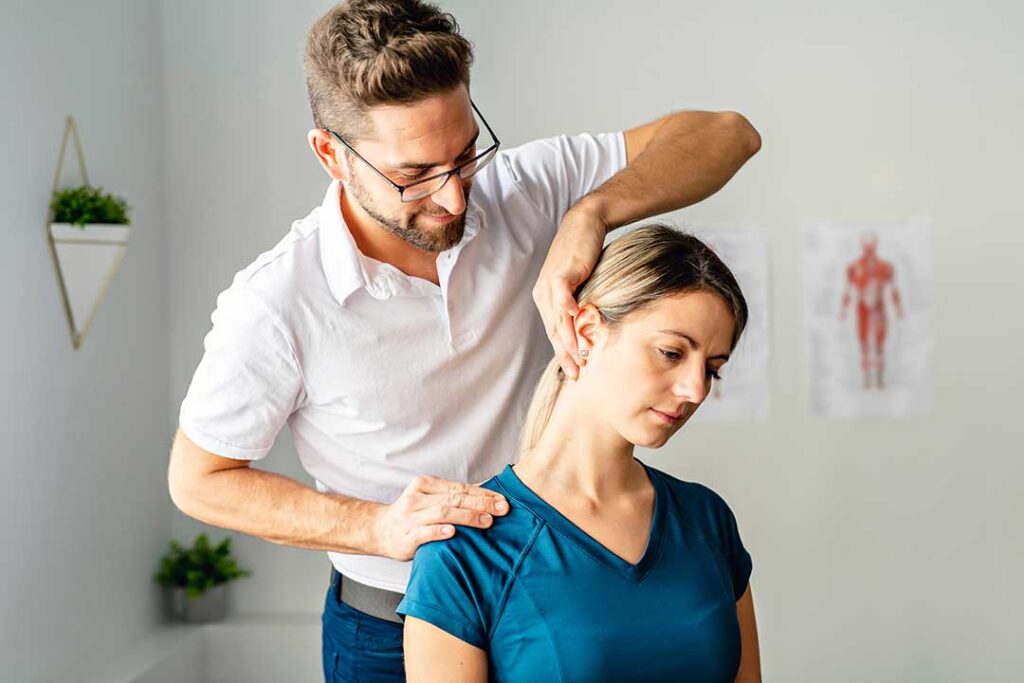
Can chiropractic adjustments reduce PMS symptoms?
Chiropractic adjustments may help some people manage musculoskeletal discomfort that happens around the menstrual cycle, such as low-back tension, pelvic-area aching, or related stiffness. However, current evidence does not show that spinal adjustments reliably treat PMS itself or the hormonal changes that cause symptoms.
PMS includes a recurring group of physical and emotional symptoms before menstruation. Common symptoms include bloating, breast tenderness, headaches, fatigue, appetite changes, abdominal discomfort, irritability, anxiety, sleep disruption, and mood changes. Symptoms generally follow a pattern across several cycles and improve shortly after the period begins. ([acog.org](https://www.acog.org/womens-health/faqs/Premenstrual-Syndrome?utm_source=openai))
For residents of Pelham, keeping track of symptoms can be especially useful when daily routines change with school schedules, commuting, indoor winter activity, or reduced outdoor exercise. A symptom record helps distinguish ordinary cycle-related discomfort from a condition that needs medical evaluation.
What might an adjustment help with?
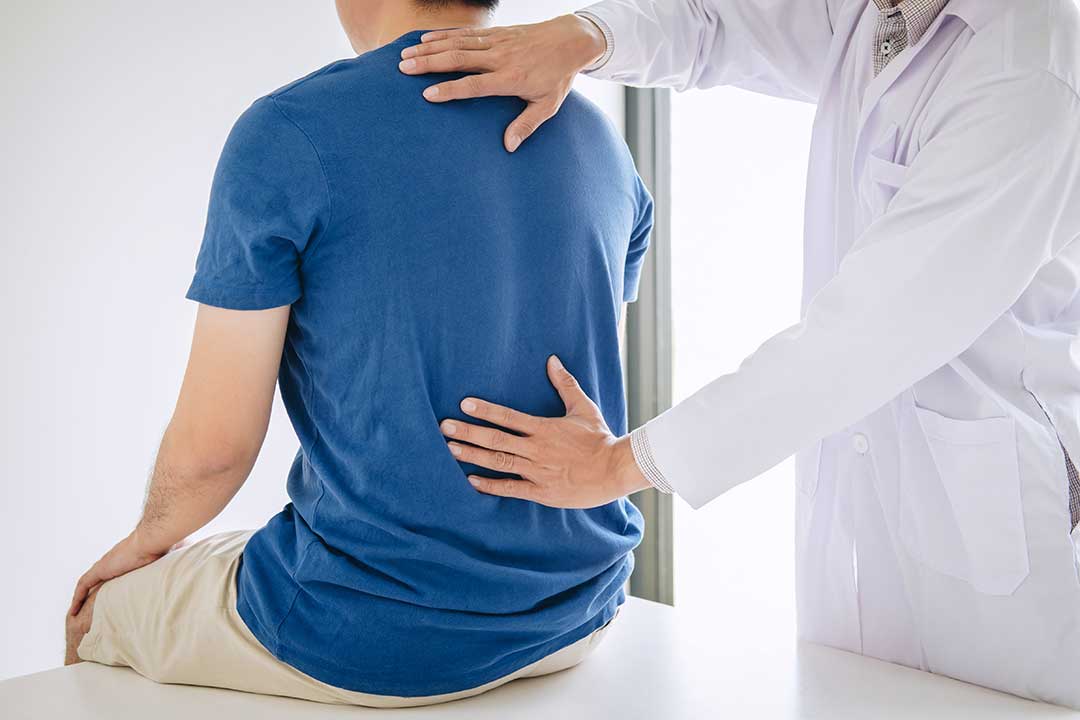
An adjustment may be relevant when PMS occurs alongside a separate problem involving the back, hips, or muscles. For example, a person may experience:
- Low-back soreness from prolonged sitting
- Hip or pelvic-area muscle tension
- Stiffness after reduced activity
- Headache related to neck or upper-back tension
- Difficulty moving comfortably because of pain
Spinal manipulation has some evidence for modest improvements in certain types of low-back and neck pain. That evidence applies to musculoskeletal conditions, not to PMS as a whole. It does not establish that an adjustment changes estrogen, progesterone, ovulation, uterine contractions, fluid retention, or mood symptoms. ([nccih.nih.gov](https://www.nccih.nih.gov/health/spinal-manipulation-what-you-need-to-know?utm_source=openai))
This distinction matters. If an adjustment makes the back feel less restricted, that may improve comfort during the premenstrual days. It should not be interpreted as proof that the underlying PMS has been corrected.
What does research say about menstrual pain?
Research on spinal manipulation for menstrual cramps has been limited and inconsistent. A systematic review found inadequate evidence to determine that spinal manipulation is effective for dysmenorrhea, the medical term for painful menstrual cramps. More recent reviews of manual therapy have reported possible pain reduction in some studies, but they also emphasize differences in treatment methods, small sample sizes, and the need for better-quality research. ([pmc.ncbi.nlm.nih.gov](https://pmc.ncbi.nlm.nih.gov/articles/PMC6718213/?utm_source=openai))
A broader review of spinal manipulation for non-musculoskeletal disorders reported no clear benefit for primary dysmenorrhea. This supports a cautious interpretation: manual care may help an individual’s surrounding back or muscle pain, but it should not be presented as an established treatment for menstrual cramps or PMS. ([pmc.ncbi.nlm.nih.gov](https://pmc.ncbi.nlm.nih.gov/articles/PMC7890602/?utm_source=openai))
Which PMS symptoms are unlikely to improve from an adjustment?
Spinal adjustments are unlikely to directly treat symptoms driven mainly by hormonal or systemic changes, including:
- Breast tenderness
- Water retention and bloating
- Food cravings
- Menstrual-related diarrhea or constipation
- Significant depression or anxiety
- Severe irritability or mood swings
- Heavy bleeding
- Symptoms of PMDD
PMS and premenstrual dysphoric disorder can overlap with depression, anxiety, thyroid disease, migraine, irritable bowel syndrome, and other conditions. If symptoms occur throughout the month rather than mainly before menstruation, another diagnosis may need to be considered. ([acog.org](https://www.acog.org/womens-health/faqs/Premenstrual-Syndrome?utm_source=openai))
What approaches have stronger support?
For mild to moderate PMS, evidence-based self-care commonly includes regular aerobic activity, consistent sleep, relaxation practices, and dietary adjustments. The American College of Obstetricians and Gynecologists notes that regular exercise may reduce fatigue and depression, while relaxation methods such as breathing exercises, meditation, and yoga may help some people. Adequate sleep and a consistent schedule can also reduce fatigue and mood changes. ([acog.org](https://www.acog.org/womens-health/faqs/Premenstrual-Syndrome?utm_source=openai))
Practical steps may include:
- Walking, cycling, swimming, or another comfortable aerobic activity most days
- Using heat for back or abdominal discomfort
- Keeping regular sleep and wake times
- Recording symptoms daily for at least two or three cycles
- Eating regular meals and limiting excess salt, alcohol, caffeine, and highly processed foods if they worsen symptoms
- Discussing calcium, magnesium, or other supplements with a qualified medical clinician before taking them
Medication may be appropriate for some people. Nonsteroidal anti-inflammatory drugs can help pain, while hormonal medication or antidepressants may be considered for selected PMS or PMDD symptoms. These options depend on medical history, other medications, pregnancy possibility, and individual risks. ([acog.org](https://www.acog.org/womens-health/faqs/Premenstrual-Syndrome?utm_source=openai))
Is chiropractic care safe during the premenstrual period?
For many healthy adults, temporary soreness, stiffness, headache, or increased discomfort can occur after spinal manipulation and usually resolves within a day. Serious complications are rare, but they have been reported. A thorough health history is important, particularly for people with osteoporosis, bleeding disorders, neurological symptoms, recent trauma, inflammatory disease, cancer, or other conditions that may change the risk assessment. ([nccih.nih.gov](https://www.nccih.nih.gov/health/spinal-manipulation-what-you-need-to-know?utm_source=openai))
Neck manipulation deserves particular caution because rare artery injuries and strokes have been reported in association with sudden neck movements. The relationship between manipulation and these events remains difficult to establish, but potential risks should be discussed before treatment. ([nccih.nih.gov](https://www.nccih.nih.gov/health/spinal-manipulation-what-you-need-to-know?utm_source=openai))
Pregnancy or a possible pregnancy should also be disclosed before any manual treatment. Research on spinal manipulation during pregnancy is limited, so decisions should be individualized with appropriate medical guidance. ([nccih.nih.gov](https://www.nccih.nih.gov/health/spinal-manipulation-what-you-need-to-know?utm_source=openai))
When should PMS symptoms be medically evaluated?
Medical evaluation is warranted when symptoms interfere with work, school, relationships, sleep, or normal activities; become substantially worse; or do not follow a predictable menstrual pattern. Severe depression, hopelessness, panic, or thoughts of self-harm require urgent help.
Prompt evaluation is also appropriate for new severe pelvic pain, fainting, fever, unusually heavy bleeding, pain after menopause, pain during pregnancy, or symptoms that persist well beyond the menstrual period. These signs may point to conditions such as endometriosis, fibroids, ovarian problems, anemia, thyroid disease, or PMDD rather than uncomplicated PMS.
A reasonable approach is to view chiropractic care, if chosen, as a possible adjunct for back, joint, or muscle discomfort—not as a replacement for gynecologic assessment or established PMS treatment. A two- to three-month symptom diary can provide a clearer basis for deciding which symptoms are cycle-related and which may need a different explanation. ([acog.org](https://www.acog.org/womens-health/faqs/Premenstrual-Syndrome?utm_source=openai))
